

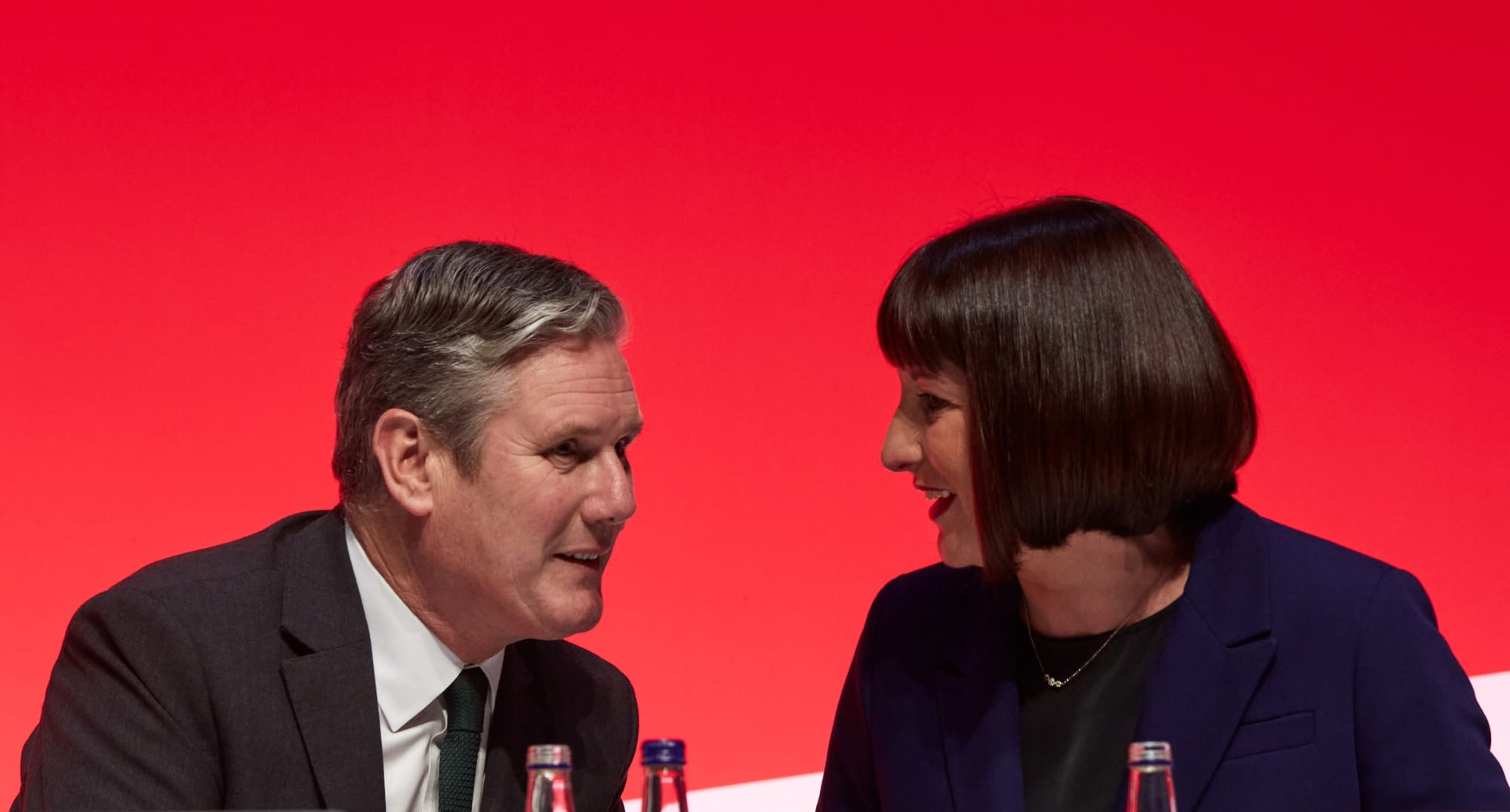
Autumn Budget 2024: Should you take action now?
New Prime Minister Keir Starmer has warned us to prepare for a ‘painful’ Autumn Budget on 30 October, leaving many of us wondering what we can do to protect our income and assets. Here, we consider what the Government may have in store, and pinpoint six ways you could potentially take action now.
Chancellor Rachel Reeves has confirmed that there will be tax rises to reduce debt and fill what she claims is a £22 billion hole in the public finances. That said, Labour has consistently stated that it will not increase National Insurance, Income Tax, Corporation Tax or VAT. This leaves Inheritance Tax, Capital Gains Tax and VAT exemptions as obvious areas for raising revenue.
Reeves may also be considering changes to the taxation of pensions and pension contributions. A wealth tax of some kind has not been ruled out, but would be controversial.
While there is much anxious speculation in the lead-up to the budget, it is crucial to take a well-informed, long-term view.
AJB Wealth’s Managing Director, Paul Willans, commented: ‘It’s always difficult to separate the possible measures from the scare stories. Unless one is already considering a specific course of action, it’s often more prudent to await the Budget, and then seek advice. However, there are some measures you might want to consider now.’
Increases to Capital Gains Tax (CGT)
Raising CGT rates is an obvious way to increase tax revenue. The previous Government slashed the annual CGT exemption from £12,300 to just £3,000, resulting in gains from smaller assets becoming liable to taxation.
As things stand, CGT rates are lower than income tax, but could be raised to match. It’s possible that any change would be immediate, but more usual to take place at the start of the next tax year, in April 2025.
There’s also been talk about whether Labour might impose CGT on assets held when someone dies. Currently, no CGT is payable on death – so historical gains are wiped out. This is known as CGT uplift. However, there would be much to consider here. For example, imposing CGT on death would be considered as an increase in inheritance taxation, by the back door. It might force the breakup of businesses or property in order to pay the tax bill.
There could also be changes to tax on selling a business – qualifying sellers currently benefit from Business Asset Disposal Relief (BADR). However, as this is designed to encourage people to grow and invest in their businesses, the Government may not wish to remove this incentive.
Tax-free lump sums from pensions
David Cameron’s Government introduced greater pension freedoms in 2015. Since then, the over 55s have been able access their pension funds more flexibly. You can currently take 25% as a lump sum without paying tax, up to a lifetime maximum of £268,275. Many believe it likely that the Government will reduce this Lump Sum Allowance (LSA). Some have been choosing to withdraw funds in advance of any announcement.
Inheritance tax on pensions?
The other key part of the 2015 pension freedoms was that it became possible to pass on funds tax-free on death. When someone dies before the age of 75, their beneficiaries can take the pension as a lump sum or as income without incurring tax. After 75, a beneficiary is taxed at his or her marginal tax rate. It is possible that Labour will seek to tax pensions on death in the future by making them subject to inheritance tax.
Changes to tax relief on pension contributions
There has long been discussion on changes to the tax relief on pension contributions. Some would like to see all pension savers receiving the same flat rate of tax relief. At the moment, basic rate tax payers receive a 20% boost to their contributions, higher rate taxpayers get relief at 40% and additional rate taxpayers at 45%.
Inheritance Tax (IHT)
Thanks to inflation and frozen thresholds, the number of estates paying IHT has already increased greatly in recent years. Any increase in the 40% rate would be very unwelcome, but possible.
There could also be changes to the rules around gifts, which are currently exempt from inheritance tax after seven years. Many other countries already have gift taxes. Gifts into discretionary trusts are ‘chargeable lifetime transfers’, but currently only incur a liability at the lifetime rate of 20%, if the gift exceeds the donor’s nil rate band (£325,000). It’s possible that the Chancellor could announce changes to the nil rate band, or the tax rates.
The Government may also reduce the inheritance tax relief available on certain assets. For example, they may limit Agricultural Property Relief to working farmers.
Wealth tax
A wealth tax would be highly controversial, but can’t be completely ruled out.
Tax rises already announced
Tax on private education
VAT will apply to private school fees from 1 January 2025, with payments in advance being taxed from 29 July 2024. The Government also plans to charge schools business rates – currently they benefit from charitable rate relief.
Non-domiciled individuals
Labour had announced that they would enact changes announced by the Conservative Government. In addition, they had also said they would not implement a temporary 50% reduction for existing ‘non-doms’. However, following concerns that such measure would not raise any anticipated additional tax, there is speculation that the Treasury is now reconsidering its plans.
Should I take action ahead of the Autumn Budget 2024?
Remember that the measures under discussion are pure speculation for now. Above all, it’s important to take a measured approach, and not panic. Although, some budgetary changes are immediate, most take effect at the start of the following tax year in April. This is what we hope to see, as it allows for an informed approach to changes to your finances and estate planning.
That said, there are some actions you may wish to consider in advance of the Budget.
1. Consider making gifts sooner
You could consider accelerating any planned disposals, so that you have certainty over the CGT position.
2. Use your ISA allowances
It would be prudent to use any available ISA allowances.
3. Pay into your pension
Pension savings should also be considered. Higher rate tax payers may wish to make use of current tax relief on pension contributions, in case they are altered or reduced. Things are less clear for basic rate tax payers, who could potentially benefit from an increase in tax relief on pension contributions in the future.
4. Make any planned tax-free withdrawals
Anyone who plans to make a tax-free withdrawal from their pension savings may wish to do before the Budget as this is one area where the rules may change.
5. Can I rebase my investments?
Some have been considering rebasing investment portfolios to realise any gains ahead of increases to CGT. However, this is a complex area, with traps for the unwary, and investment advice must be sought.
6. Review your estate planning
While it’s difficult to plan ahead for changes to the inheritance tax rules at this point, you might consider accelerating any planned personal gifts. It’s possible to give up to £3,000 per year without the risk of inheritance tax becoming payable in the future. Larger amounts are Potentially Exempt Transfers, but count as part of your estate, and may be subject to inheritance tax, if you die within seven years. A wealth manager can help you assess the best way of passing assets to the next generation. In some cases, a trust will be most effective.
Whatever the budget holds, it is vital to regularly review your financial planning and related matters on a regular basis. Your wealth manager will be able to ensure that changes are made in response to new Government legislation and your evolving personal circumstances.
The highly qualified team at AJB Wealth is well placed to help you plan your financial future. To discuss your situation, please book an obligation-free consultation, or call us on 01428 774 070.
Important: The content of this bulletin is for general consideration only and does not constitute advice. No action must be taken, or refrained from being taken, without advice. This company accepts no responsibility for any loss occasioned as a result of any such action, or inaction. You are also reminded that investments can fall, as well as rise. And in the event of early encashment, you may receive less back than your original investment.


