

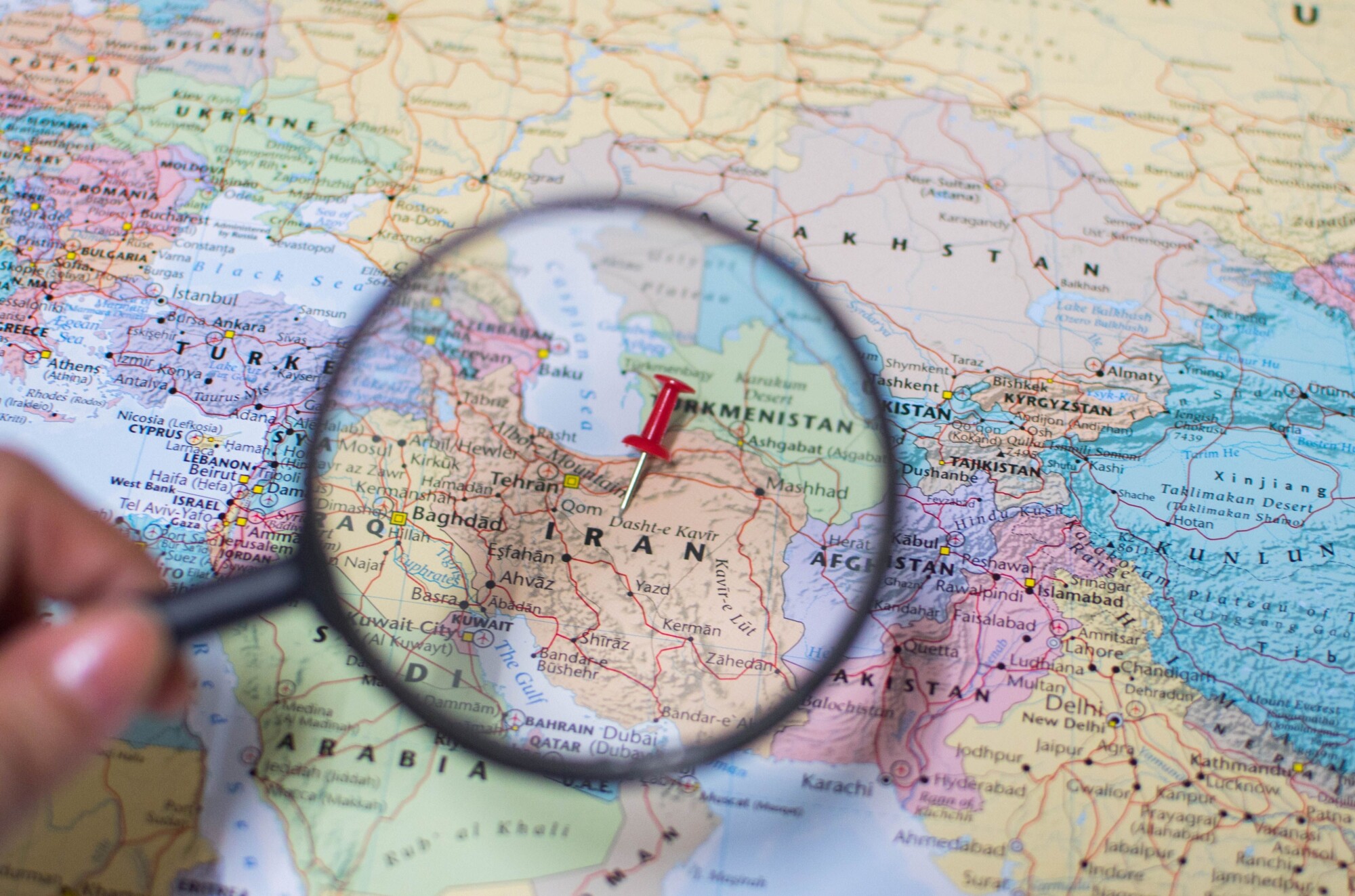
Iran and the markets: our take on uncertain times
Periods of geopolitical tension inevitably rattle the financial markets, and the recent escalation involving Iran has added another layer of uncertainty. Concerns around energy supply, inflation and market volatility have featured prominently as investors respond to unfolding events in the Middle East. Stock and share prices across the globe have been heavily buffeted.
While these developments call for close monitoring, our investment philosophy is designed for precisely these environments. Experience shows that long‑term outcomes are best served by discipline, diversification and a focus on fundamentals rather than short‑term reactions to events. That is, unless there’s clear justification for taking that approach.
What’s influencing markets right now?
The situation in the Middle East has contributed to heightened uncertainty across global markets, particularly through its impact on energy prices. Higher oil prices tend to ripple through the system, affecting inflation expectations and influencing investor sentiment more broadly.
Against this backdrop, markets have adjusted across several dimensions:
Equities have experienced bouts of volatility as investors reassess risk, though moves have so far been measured rather than disorderly.
Bonds have seen yields move higher as inflation risks are reassessed, though this reflects caution rather than a fundamental shift in outlook.
Currencies, particularly the US Dollar, have strengthened as investors seek perceived stability during periods of uncertainty.
Alternative assets have continued to play a key role in diversification, helping to dampen overall portfolio volatility.
Taken together, these moves point to markets responding to uncertainty — not breaking down.
A measured response across asset classes
It’s important to view these developments in context. Rising bond yields, while notable, are only one part of the picture. They reflect investors weighing the balance between inflation risks and future monetary policy, rather than signalling a loss of confidence in the broader economic system.
Equity markets, meanwhile, are being driven less by fundamental issues and more by changes in sentiment. Where volatility is driven by uncertainty, rather than economic damage, this has historically been a temporary situation, with markets returning to ‘normal’ more quickly.
Currency movements are also behaving in a familiar way. In times of stress, capital tends to flow towards perceived safe‑haven currencies, which can create short‑term distortions but rarely persist once conditions stabilise.
This cross‑asset perspective is important. Focusing on any single market in isolation risks missing the broader, more balanced picture.
The economic backdrop
From an economic standpoint, the key question remains the same. Will higher energy prices become sustained enough to materially alter inflation and growth trends? As things stand, energy prices have risen, but they are still within ranges that the global economy has historically been able to absorb.
As a result, the underlying economic environment — characterised by moderating inflation pressures, slowing but positive growth and cautious central banks — remains broadly intact. Markets are adjusting to uncertainty, not re‑pricing a fundamentally different world.
What this means for our portfolios
Our approach is built on constructing portfolios that can weather a wide range of outcomes without relying on precise forecasts.
That means:
- Maintaining diversification across equities, bonds, commodities, alternatives and currencies
- Avoiding reactionary changes driven by short‑term news flow
- Allowing different asset classes to play their intended roles within portfolios
- Recognising that volatility is a feature of markets, not a flaw
Periods like this often highlight the value of diversification. When some assets come under pressure, others can provide stability or opportunity, helping to smooth the overall journey for investors.
Why we stay calm
Geopolitical events are unpredictable, and markets can react sharply as new information emerges. However, making significant portfolio changes in response to such events can prove counterproductive, unless there is strong justification.
At this stage, we do not see evidence of a lasting shift in economic fundamentals that would justify a change in long‑term strategy. Instead, we see a market environment where patience, balance and perspective are especially important.
We focus on managing risk thoughtfully. This means staying diversified and ensuring portfolios continue to be aligned with long‑term client objectives rather than short‑term headlines.
Final thoughts
‘The situation in Iran is serious and continues to evolve, and we’re monitoring developments closely,’ says Paul Willans, Managing Director of AJB Wealth. ‘At the same time, markets have navigated similar periods of uncertainty many times before.
‘In our view, the appropriate response is not alarm, but perspective. By staying disciplined, diversified and focused on long‑term goals, investors are better positioned to navigate volatility and benefit when conditions stabilise. As always, we will adjust portfolios if the fundamental outlook changes.’
AJB Wealth brings clarity and confidence to your financial planning and investment management. To discuss your situation, please book a no-obligation meeting, or call us on 01428 774 070.
Important: The content of this bulletin is for general consideration only and does not constitute advice. No action must be taken, or refrained from being taken, without advice. This company accepts no responsibility for any loss occasioned as a result of any such action, or inaction. You are also reminded that investments can fall, as well as rise. And in the event of early encashment, you may receive less back than your original investment.


